Geography and Provincial Identity
Brabant Wallon is Belgium's smallest province by area yet one of its most densely populated Walloon territories. Rolling farmland, forested ridges and suburban communes surround Wavre, which serves as the administrative seat and commercial hub for roughly 400,000 residents.
The province occupies a transitional zone between the Brussels capital region and the Ardennes foothills. This position makes it a natural corridor for day-trip leisure — families from Brussels, Louvain-la-Neuve and Namur reach Wavre within an hour by car or train.
Brabant Wallon is distinct from Flemish Brabant (Vlaams-Brabant) to the north. Language, municipal branding and tourism promotion follow Walloon Francophone conventions.
Wavre as Municipal Centre
Wavre's history stretches to Roman settlements, though its modern identity crystallised around the Grand Place and civic institutions of the 18th and 19th centuries. The town hall, church towers and market square define a walkable centre that contrasts with the large-format leisure zones on its outskirts.
Louvain-la-Neuve — the planned university city built after the 1968 language split — lies nearby and supplies a steady student population for cinemas, restaurants and seasonal events. Together, Wavre and Louvain-la-Neuve form a bi-polar urban cluster unusual for a province of this size.
Transport and Accessibility
Road access via the E411 motorway and N4 national route connects Wavre to Brussels, Namur and Luxembourg. Coach operators and school groups frequently use these corridors for organised park visits during spring and autumn terms.
Rail services link Wavre-Centre and Bierges-Walibi stations to the Belgian network. The Bierges-Walibi halt — opened to support park attendance — illustrates how leisure infrastructure can reshape local transport planning.
- Brussels: Approximately 30–45 minutes by car depending on ring-road traffic
- Louvain-la-Neuve: 10–15 minutes by road or bus
- Charleroi Airport: Useful for international visitors connecting via low-cost carriers
- Cycling: RAVeL greenway segments link surrounding villages for active travel in summer
Leisure Economy and Walibi Belgium
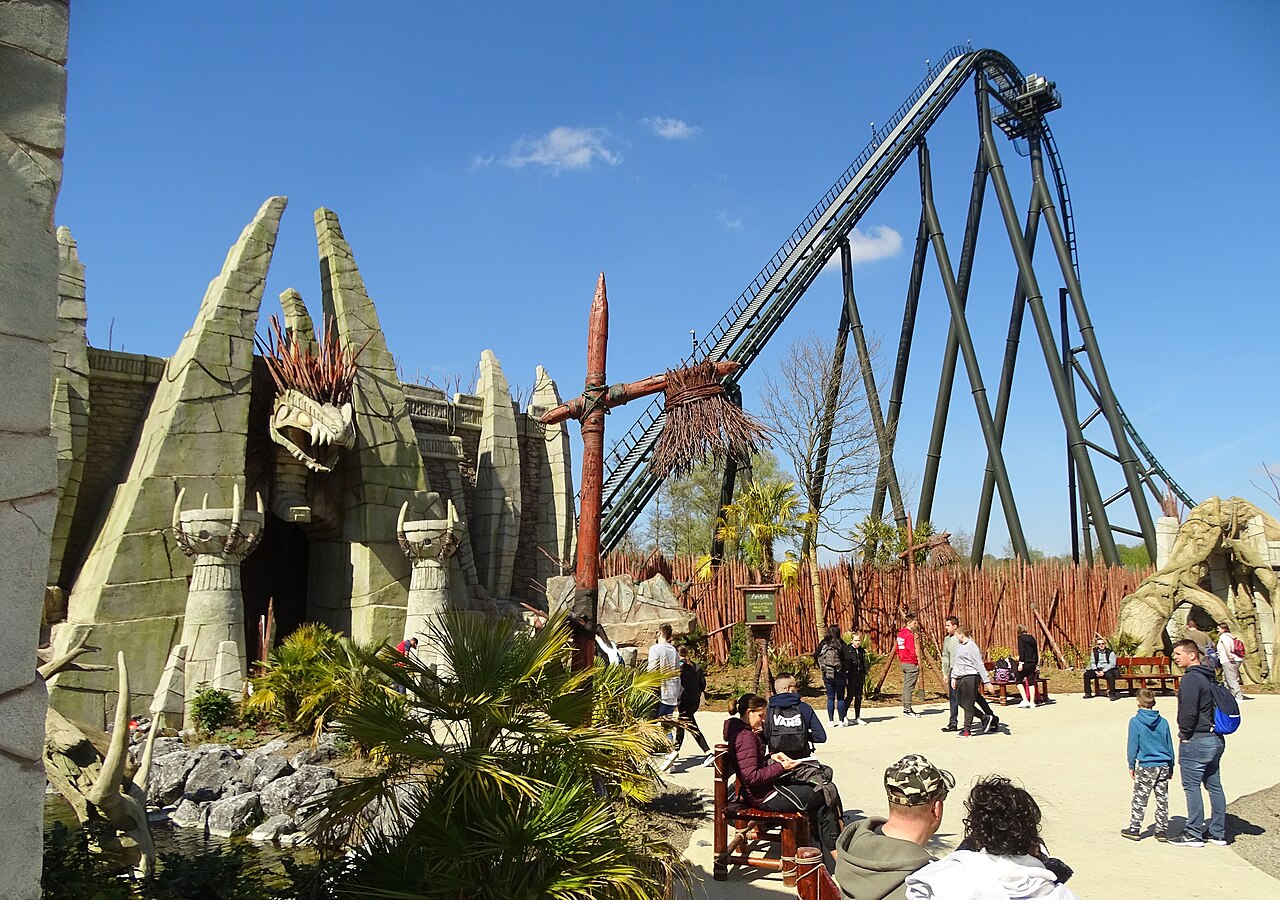
Walibi Belgium — located in the Bierges commune adjacent to Wavre — is the province's best-known leisure asset. Its seasonal employment, supplier contracts and hotel demand ripple through the local economy, particularly during summer peaks and Halloween events.
Smaller attractions, adventure parks and farm visits complement the flagship resort. Municipal tourism offices promote combined itineraries: morning heritage walks in Wavre, afternoon rides at the park, evening dining in Louvain-la-Neuve.
Seasonal Patterns
Belgian school holiday calendars drive attendance spikes. Autumn half-term and spring Easter windows rival summer weeks for domestic visitors, while Flemish and Walloon holiday date differences spread demand across October and February.
Heritage, Festivals and Local Culture
Brabant Wallon maintains carnival traditions, agricultural fairs and church patronal festivals that persist alongside commercial leisure. The Ducasse de Mons — though outside the province — influences regional festival culture and attracts cross-border visitors.
Heritage interpretation focuses on Walloon identity, post-industrial landscapes and the 1830 independence narrative linked to nearby battlefields. For editorial readers, understanding this cultural layering explains why theme parks here emphasise family storytelling rather than purely thrill-market positioning.
- Explore Wavre's centre on foot before or after park visits to balance commercial and civic experiences
- Check provincial event calendars for road closures during festivals
- Consider weekday visits during school terms for lighter regional traffic